The balance between luck and skill in gambling what really matters
The Role of Luck in Gambling
Luck is an intrinsic part of gambling, often dictating the outcome of games, especially those based on chance such as slot machines and roulette. Players enter these games with the hope that fortune will favor them, resulting in large payouts. The unpredictability of luck can create exhilarating moments, making every spin or card dealt a potential game-changer. While players may employ strategies, ultimately, luck plays a crucial role in determining who wins and who loses in these scenarios. A prime example of where players can try their luck is at https://lizaro-can.com/, an emerging online casino.
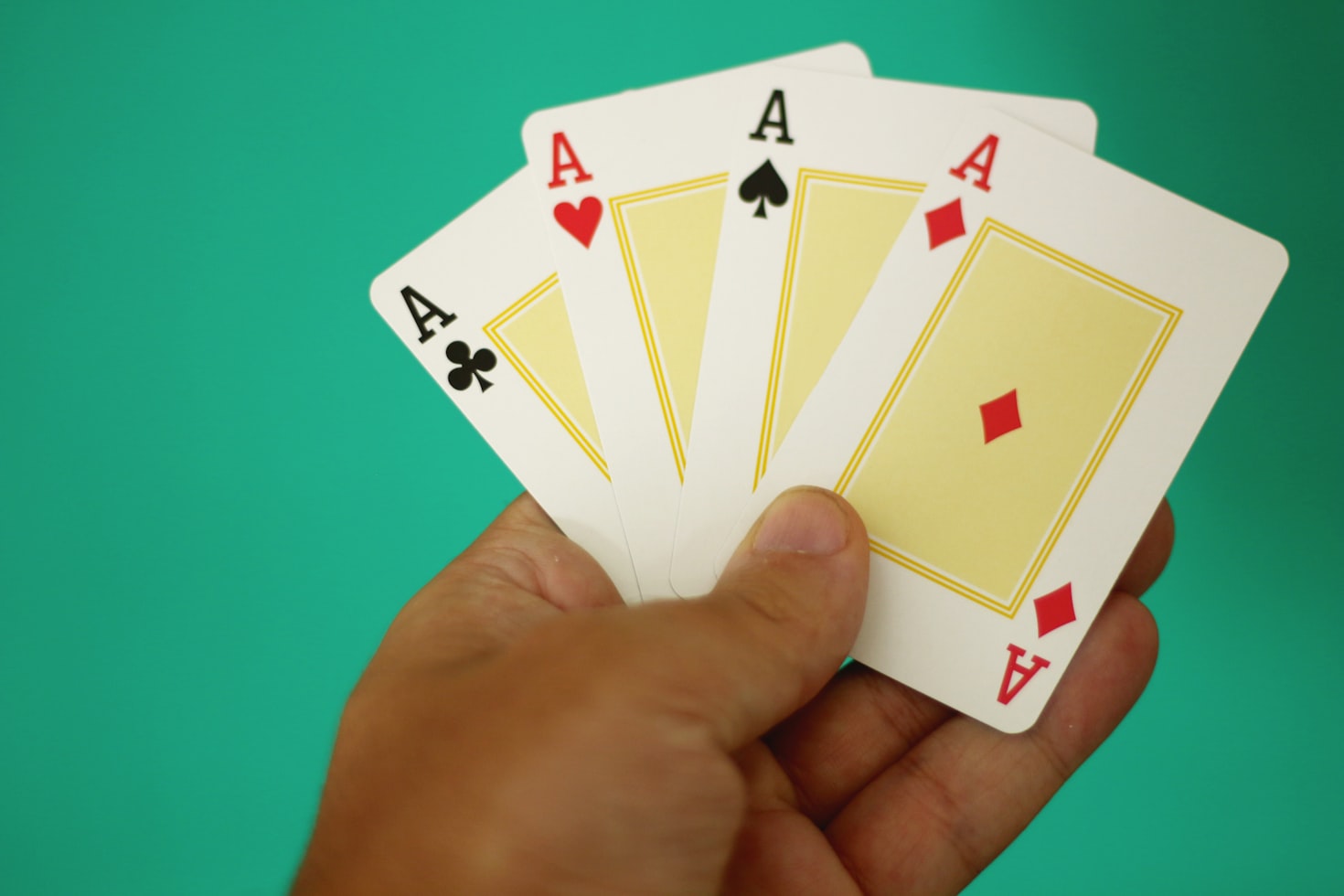
In games driven by luck, even the most seasoned gamblers can face unexpected losses. For instance, a player might bet on a number in roulette, believing in their intuition, only to watch as the ball lands elsewhere. This unpredictability is what keeps players returning to gambling venues, as each session offers a fresh slate of chances, regardless of past outcomes. Consequently, many enthusiasts find themselves drawn to the thrill of taking risks, driven by the hope that luck will turn in their favor.
However, luck’s influence can be both a boon and a bane. While it can lead to astonishing wins, it can also result in discouraging losses. The nature of gambling means that players often rely on a combination of luck and emotion, which can lead to impulsive decisions. Understanding the role luck plays in these games can help players manage their expectations, reminding them that even on the best days, a stroke of bad luck can alter their fortunes dramatically.
The Importance of Skill in Gambling
Skill is particularly important in games that require strategic thinking, such as poker and blackjack. In these games, players can employ tactics to improve their chances of winning. Knowledge of probabilities, card counting, and reading opponents’ behaviors can all significantly influence the outcome of a game. Skilled players often find themselves at an advantage, able to navigate the complexities of these games better than their less experienced counterparts.
Moreover, the importance of skill extends beyond just the mechanics of the game. It encompasses understanding risk management and maintaining emotional control. A skilled gambler knows when to bet big and when to walk away, a crucial aspect of long-term success. This mindset is particularly evident in high-stakes games, where the difference between a novice and an expert can be a matter of substantial financial gain or loss.
Additionally, the evolution of online gambling has introduced tools and resources that enable players to enhance their skills. Tutorials, strategy guides, and practice games are now widely available, allowing individuals to refine their techniques before entering high-pressure situations. This emphasis on skill development ensures that dedicated players can leverage their expertise to mitigate the unpredictability of luck, leading to more consistent outcomes in their gambling endeavors.
The Interplay Between Luck and Skill
In the world of gambling, luck and skill often coexist, creating a dynamic landscape for players. In many cases, luck can level the playing field, allowing even inexperienced players to achieve remarkable wins. However, as players gain experience, they learn to navigate the complexities of skill-based games, enhancing their chances of success. This interplay showcases the delicate balance between these two elements, emphasizing that while luck can spark a winning streak, skill is essential for sustaining it.
For example, consider a poker tournament where both seasoned professionals and casual players compete. The skilled players will typically understand the nuances of betting, bluffing, and reading opponents, while less experienced players may rely solely on luck. However, if an inexperienced player happens to receive a strong hand, they could momentarily triumph over the veterans, illustrating how luck can disrupt expected outcomes. Over time, though, the skilled players are more likely to emerge victorious, highlighting the crucial role of skill in achieving long-term success.
Understanding the synergy between luck and skill also informs gambling strategies. Many seasoned gamblers recognize that while they cannot control luck, they can maximize their skillful approaches to minimize losses and increase their odds of winning. This holistic view encourages players to adapt their strategies based on the game’s nature, whether focusing on luck-heavy games or developing skill in strategic contests. Ultimately, the ability to blend these two aspects can define the experience and success of gamblers.
The Psychological Aspects of Gambling
The psychological dimension of gambling cannot be overstated, as it influences how players perceive luck and skill. Many gamblers hold onto the belief that luck is a tangible force, often attributing wins to their own intuition or positive energy. This mindset can lead to overconfidence, with players sometimes betting more than they should, based solely on recent streaks of good fortune. Such psychological traps can cloud judgment, demonstrating that awareness of these cognitive biases is crucial for responsible gambling.
On the other hand, a focus on skill can foster a sense of empowerment among players. Those who invest time into learning the intricacies of their chosen games often experience increased confidence and enjoyment. This proactive approach can lead to better decision-making, as players are more likely to remain level-headed during high-pressure situations. Recognizing the psychological elements at play can help individuals develop healthier gambling habits and a more balanced perspective on luck and skill.
Furthermore, understanding the psychological effects of gambling helps in managing expectations. While luck can swing wildly from one session to the next, a focus on skill encourages players to concentrate on their long-term performance rather than individual outcomes. This mentality shifts the emphasis from chasing immediate wins to fostering a sustainable approach that values steady improvement over time. Ultimately, blending the psychological aspects with an understanding of luck and skill creates a more rewarding gambling experience.
The Future of Online Gambling
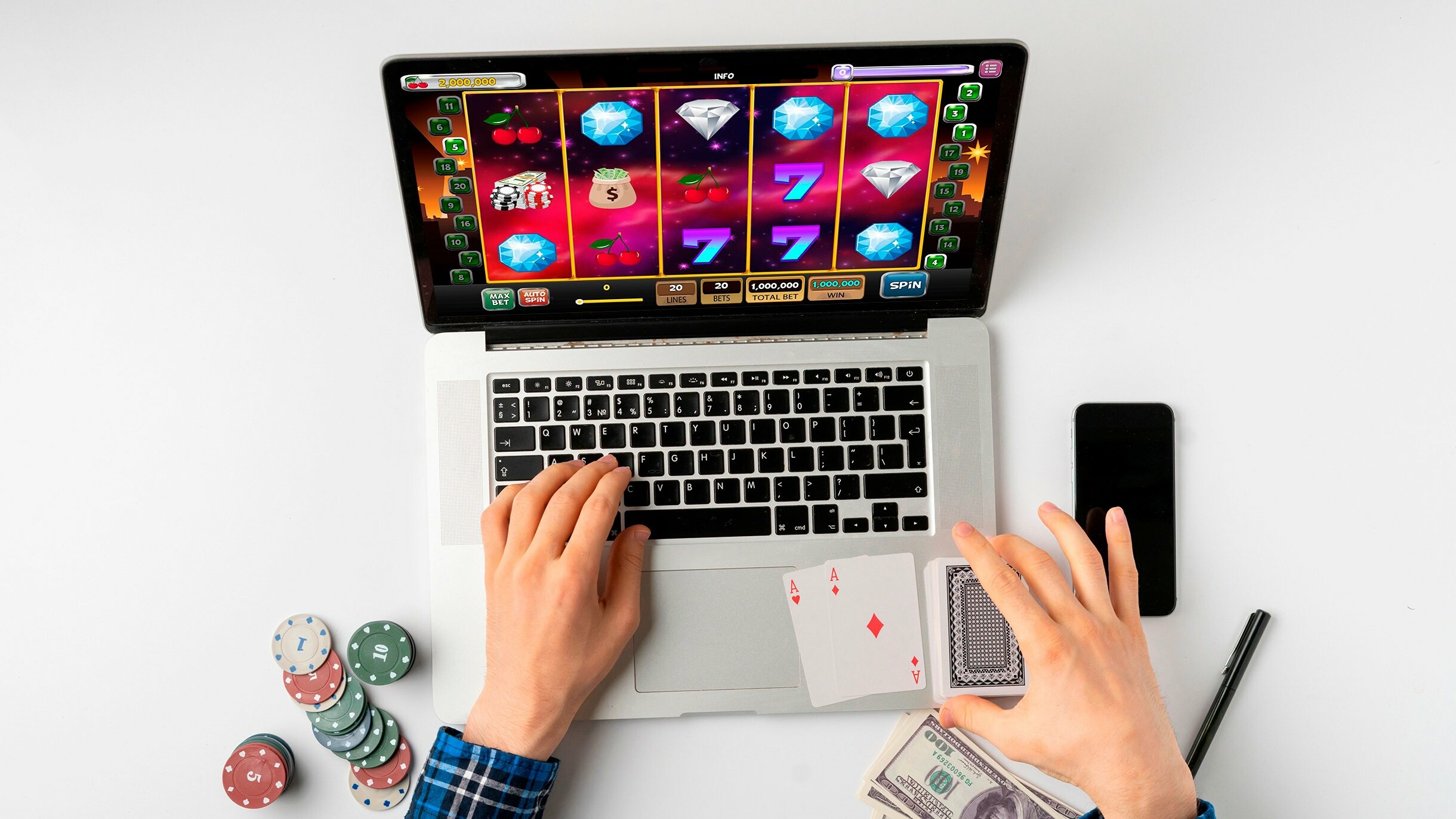
The rise of online casinos and sportsbooks, such as Lizaro, highlights how technology is transforming the gambling landscape. With a focus on mobile-first experiences, players now have access to thousands of games, ranging from slots to live dealer options. This influx of choices not only increases the chances of encountering luck but also emphasizes the importance of skill in navigating various game types. The future of gambling is poised to offer even more diverse options, enhancing the interplay between luck and skill.
As platforms continue to innovate, they also introduce advanced analytical tools that help players understand their performance better. These tools allow individuals to analyze their betting patterns, identify strengths and weaknesses, and refine their strategies. By equipping players with the knowledge needed to succeed, the future of online gambling places a greater emphasis on skill while still embracing the role of luck. This evolution presents opportunities for both novice and seasoned players to enhance their experience.
Moreover, the accessibility of online gambling means that a broader audience can engage with gaming. This democratization can lead to a more educated player base that values skill over mere luck. As educational resources become more prevalent, players may shift their focus from purely chasing wins to understanding the complexities of their chosen games. In this way, the future of gambling is not just about luck; it also fosters a deeper appreciation for skill and strategy.