Top Casino Games Ranked by House Edge and Player Odds
While many perceive casino games as purely luck-based, mathematical strategies like card counting in blackjack or optimal play in video poker can shift the house edge in a player’s favor. These games operate on random number generators or physical mechanics, offering outcomes that blend chance with skill-based decision-making. Players benefit from structured rules, immediate feedback on bets, and the ability to apply probability analysis to enhance their session results.
Mastering the Mathematics of House Edge
The dealer’s smirk is meaningless once you unpack probability. Mastering the mathematics of house edge in casino games starts with recognizing that every bet is a negative expectation scenario. In blackjack, basic strategy reduces the house edge to under 0.5%, while a poorly placed side bet in craps balloons it past 16%. This disparity means you can shift the odds in your favor simply by choosing the right game variant, not by luck. On a roulette wheel, the single zero offers half the built-in advantage of a double zero. By calculating the expected return on every dollar wagered, you stop playing against the casino’s profit margin and start playing against your own decision-making. The math doesn’t lie—it just waits for you to learn it.
Why Probability Dictates Every Bet You Place
Every bet you place in a casino is an immediate transaction governed by fixed probability, not luck or timing. The house edge emerges from these precise odds, ensuring that over time, the mathematical likelihood of loss outweighs gain. For example, a single number on a roulette wheel has a 1-in-37 probability, while the payout of 35-to-1 creates a built-in deficit. This fundamental mismatch makes probability the only true predictor of outcomes. Without accounting for these underlying chances, each wager is a random event where the house’s advantage is mathematically guaranteed to erode your bankroll across repeated play.
Understanding Return to Player Percentages in Practice
Understanding Return to Player percentages in practice requires analyzing how the theoretical RTP translates into session outcomes. A slot with a 96% RTP, for example, mathematically returns $96 per $100 wagered over infinite spins, but individual sessions vary wildly due to volatility. Players must track actual bet amounts versus returns across multiple cycles, not single sessions, to gauge deviation from the stated theoretical RTP baseline. On table games like blackjack, applying basic strategy reduces the house edge to about 0.5%, effectively raising the RTP to 99.5% in practice, yet imperfect play erodes this. Thus, practical understanding hinges on recognizing that RTP is a long-run metric, not a guarantee for any given visit.
The Role of Volatility in Shaping Your Session
Volatility is the heartbeat of your session, dictating the rhythm of wins and losses far more than the house edge alone. Low-volatility games deliver frequent small payouts, letting your bankroll breathe during long play sessions, while high-volatility games serve rare but massive payouts that can double your stack in a spin. Choose low volatility when you want steady action and minimal risk of a quick bust; pick high volatility when you’re hunting life-changing swings. That choice directly shapes how long your bankroll lasts and whether the session feels like a marathon or a sprint.
| Low Volatility | High Volatility |
| Small, frequent wins | Rare, large wins |
| Longer session time | Shorter session potential |
| Lower bankroll risk | Higher bankroll risk |
Decoding the Appeal of Classic Table Attractions
The appeal of classic table attractions like blackjack, roulette, and craps lies in their transparent blend of skill, probability, and tactile ritual. Unlike slot machines, these games operate with no hidden algorithms, allowing players to decode outcomes through visible rules and real-time physics. The shuffle, the spin, and the roll create a shared social rhythm where each decision feels consequential.
The key insight is that the vulnerability of being able to fail—due to a poor hand or a bad call—is what makes a win feel earned rather than lucky.
This predictable framework turns every session into a personal puzzle, where decoding the house edge becomes part of the fun, not a deterrent.
Strategic Depth Behind the Green Baize
The strategic depth behind the green baize separates skilled play from mere chance, particularly in classic table games where player decisions directly alter house odds. This depth manifests through optimal decision-making frameworks like basic strategy in blackjack, which mathematically reduces the edge to under 1% through precise hit, stand, and double-down choices. In baccarat, the player bypasses trivial decisions to focus purely on pattern recognition and bankroll mathematics, while craps offers layered betting structures that require risk-reward parsing across multi-roll sequences. These layers reward discipline over intuition, transforming a fleeting interaction into a sustained mental contest against probabilistic models.
- Calculating deck composition to adjust playing decisions in blackjack.
- Managing pass-line odds versus proposition bets in craps.
- Recognizing when to fold marginal holdings in three-card poker.
How Card Counting Alters the Odds
Card counting alters the odds by shifting the mathematical edge from the house to the player. When the remaining deck is rich in high cards (tens and aces), the player’s chances of landing a natural blackjack or winning doubled hands increase significantly. By tracking this ratio, a player can dynamically adjust bet sizes and playing strategy, exploiting positive counts to gain a statistical advantage of roughly 1–2% over the casino. This transforms blackjack from a pure gambling game into a skill-based challenge where disciplined counting directly flips the probability in your favor.
The Psychology of the Roulette Wheel Spin
The roulette wheel spin exploits the illusion of control, where the player’s choice of number or bet feels directly tied to the outcome, even though the physics of the wheel dictates pure chance. The accelerating click of the ball against the rotor creates a suspense cycle that heightens emotional investment; as the ball slows, dopamine spikes during the moment of uncertainty before the ball settles. This brief unpredictability tricks the brain into assigning personal responsibility to a random event, reinforcing the urge to spin again.

Exploring Digital Twists on Traditional Formats
Exploring digital twists on traditional formats in casino games means reimagining core mechanics like roulette wheels or blackjack shoes with interactive overlays. For instance, live dealer streams now incorporate augmented reality elements, such as betting suggestions appearing directly on your screen, blending physical tables with digital data. A nuanced approach involves adding skill-based mini-games within classic slots—like a timed picking segment—to break pure chance without altering the house edge. Video poker allows you to swap cards with animated ‘wild’ tokens that explode into new symbols, adding visual depth without changing strategy. Focus on features that enhance engagement through immediate feedback, not just cosmetic reskins; this preserves the original game’s integrity while offering fresh tactile and visual experiences for regular players.
Live Dealer Experiences That Bridge Realities
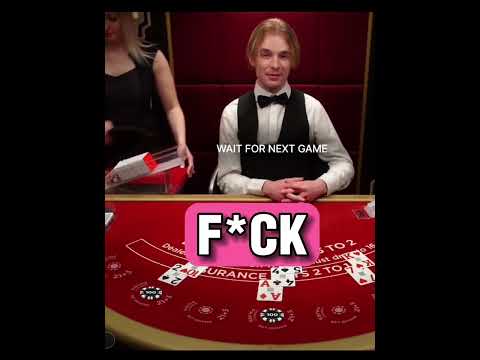
Live dealer experiences bridge realities by streaming real-time, high-definition video from professional studios onto your screen, where a human dealer manages physical cards, wheels, or dice. You place digital bets via an intuitive interface while chatting with the dealer and other players, fusing the authenticity of a land-based casino with online convenience. This creates immersive gameplay that merges physical and digital environments, as multiple camera angles let you scrutinize every shuffle or spin for transparency. Advanced touchscreen options let you adjust camera views or access game history, ensuring the interaction feels immediate and tangible despite the virtual connection.
Evolution of Video Slots into Interactive Stories
Video slots have evolved from simple spinning reels into interactive slot narratives where player choices influence bonus rounds and story outcomes. Modern titles now feature branching dialogue trees, character progression, and multi-level quests that replace traditional bonus games. For example, a Norse mythology slot might let you choose which realm to explore, triggering unique free spins or multipliers tied directly to the plot. This shift makes each session feel like a personalized adventure rather than a repetitive spin cycle.
Q: How do interactive stories change gameplay? A: They replace random bonus triggers with decision-based paths, allowing players to select different story branches that control the volatility and reward structure of each round.

Megaways and Cluster Pays Mechanics Explained
Megaways mechanics replace fixed paylines with a dynamic reel setup where each spin can generate a different number of symbols per reel, often up to 117,649 ways to win. This variation in symbol heights is central to Megaways and Cluster Pays Mechanics Explained, as winning combinations simply require matching symbols on adjacent reels from left to right. In contrast, Cluster Pays disregards paylines entirely, requiring groups of matching symbols—typically five or more—to connect vertically or horizontally in a cluster. Successful clusters disappear, allowing new symbols to cascade down and potentially form further wins within the same spin. Both mechanics eliminate traditional line structures, but Megaways focuses on variable reel sizes across all reels, while Cluster Pays emphasizes symbol adjacency and collapse chains for consecutive payouts.
| Aspect | Megaways | Cluster Pays |
|---|---|---|
| Winning condition | Adjacent reels, left to right | Connected cluster (vertical/horizontal) |
| Reel structure | Variable symbol count per reel per spin | Fixed symbol grid (usually 6×6 to 8×8) |
| Cascade feature | Commonly included (winners removed, new symbols drop) | Core mechanic (cluster removed, new symbols fill gaps) |
| Maximum ways to win | Up to 117,649 (or more, depending on grid size) | Not measured in ways; unlimited clusters per spin |
Bankroll Management for Sustainable Play
Effective bankroll management is the only path to sustainable play in casino games, as it separates controlled entertainment from financial ruin. Set a strict session loss limit—never chase losses with funds meant for essentials. The golden rule is to wager only 1-2% of your total bankroll per bet; this absorbs variance while extending your session. Prioritize dividing your funds into equal units for each session, and walk away once those units are gone. Q: How do I survive a losing streak? A: By having a pre-determined stop-loss that ends the session early, preventing you from depleting your entire bankroll in a single tilt.
Setting Loss Limits Without Emotional Override
To prevent catastrophic sessions, pre-set loss limits must be treated as unbreakable contracts, not suggestions. Emotional override is the direct enemy of discipline; once you feel the urge to chase losses, logical thresholds vanish. Implement a hard stop at a fixed percentage of your bankroll—such as a 20% daily loss cap—and physically lock your funds after reaching it. Use session timers and deposit restrictions within casino account settings to enforce this boundary mechanically. Never grant yourself permission to adjust a limit downward after a loss, as that undermines the sustainable framework entirely.
| Method | Protection Against Emotional Override |
|---|---|
| Fixed Percentage Loss Limit | Removes decision-making mid-session. |
| Session Timer & Deposit Lock | Creates external barriers to override. |
| No-Loss-Limit Play | Highest risk of emotional spiral. |
Bet Sizing Strategies That Preserve Your Stack
Effective bet sizing strategies that preserve your stack rely on a percentage-based approach, not fixed amounts. In games like blackjack or baccarat, wager no more than 1–2% of your total bankroll per hand. This minimizes ruin risk during variance spikes. For slot sessions, divide your bankroll into 50–100 smaller bet units, ensuring each spin risks a near-negligible fraction of your funds. Adjusting bets downward after losses, rather than chasing, prevents rapid depletion during downswings. Consistent, proportional wagering keeps you in play longer, turning short-term losses into manageable dips rather than catastrophic busts.
When to Walk Away After a Winning Streak
Nothing kills a hot streak like greed. Set a specific profit target before you start—say, double your session bankroll—and when you hit it, walk away without exception. The moment you think “just one more hand,” you’ve already lost. A winning streak is a statistical anomaly, not a guarantee. Use a timer or a chip color change as a trigger to cash out. Locking in profits beats chasing phantom highs every time. Your next win isn’t promised; today’s is real.
Unpacking Bonus Features and Promotional Traps
In casino games, unpacking bonus features and promotional traps means looking past flashy offers to see the real cost of play. Free spins often come with massive wagering requirements—sometimes 50x or more—meaning you must bet your winnings many times before any cash is yours. Deposit match bonuses lock your money behind playthrough conditions that can drain your balance before you ever withdraw. A key trap is the “too good to be true” bonus that vanishes after a single small bet, trapping you with forfeited winnings. Always inspect the terms for maximum bet limits and game restrictions, as sticky bonuses can lock your funds entirely.
The only safe bonus is the one you have fully read and understood—never accept a promotion on trust alone.
Your loyalty is being bought; unmask the math before you stake a single coin.
Welcome Offers Versus Genuine Long-Term Value
Welcome offers dazzle with immediate credits, but their high wagering requirements often mask poor long-term returns. Genuine long-term value arises from consistent cashback, low-rollover reloads, and loyalty rewards that sustain your play. The flashiest bonus can vanish after the first day, while a modest, repeatable perk compounds over months. Compare the effective house edge on offer funds versus your usual play—short-term spikes rarely beat regular, manageable advantages.
| Aspect | Welcome Offers | Genuine Long-Term Value |
|---|---|---|
| Immediate Gain | High upfront bonus | Low to moderate |
| Wagering | Often 30x–50x+ | Typically under 10x or none |
| Repeatability | One-time | Recurring weekly or monthly |
| Real Cash Flow | Restricted until released | Frequently withdrawable |
Wagering Requirements That Trip Up Novices
Novices often overlook that a $50 bonus with 40x wagering requirements demands $2,000 in bets before withdrawal. A critical trap is the game contribution discrepancy; slots typically count 100% toward wagering, but table games like blackjack might contribute a mere 10% or less. This makes progress deceptively slow for slot-averse players. Players also misjudge maximum bet limits, often capped at $5 per spin, meaning large bets can void the bonus. Lastly, expiration windows—usually 7-30 days—can expire before requirements are met if games with low contribution are chosen.
Free Spins and Their Hidden Fine Print
Free spins often mask their true cost through wagering requirements hidden in the fine print. A seemingly generous offer may demand a 40x or higher playthrough on winnings, not just the bonus value, effectively transforming small wins into a grind. Additionally, many terms cap the maximum cashout from free spins, nullifying a lucky streak. Players must also check eligible games, as high-volatility titles can drain the bonus before meeting conditions. Analyzing wagering requirements and withdrawal caps before accepting free spins prevents a promotional trap from becoming a costly, time-consuming obligation.
Psychology of Chance and Player Behavior
The psychology of chance in casino games hooks players through the illusion of control, where near-misses on a slot or a dealer’s bust card feel like skill, not luck. This rewires your brain to chase losses, believing a win is “due” after a losing streak—a classic gambler’s fallacy. Fast-paced games exploit this, triggering dopamine rushes during variable rewards, making you overvalue small wins while dismissing inevitable losses. Understanding this player behavior helps you recognize why you might stay longer than planned: the thrill of uncertainty, not logic, is driving the wheel.
How Near-Misses Trick the Brain Into Continuing
Near-misses in casino games hijack the brain’s reward system by simulating a win’s neural signature, even though the outcome is a loss. This activation of dopamine pathways creates a false sense of skill progression, tricking the player into believing a full win is imminent. The phenomenon exploits a cognitive gap: the brain encodes the near-miss as reinforcement of skill over chance, driving continued play despite statistical odds. This process follows a distinct sequence: first, the outcome appears close to a win; next, the brain releases dopamine as if a real win occurred; then, the player misattributes the near-miss to personal agency rather than randomness, fueling persistence.
- The brain processes the visual and temporal proximity of the near-miss as partial success
- Dopamine release reinforces the behavior, making the next attempt feel more promising
- Repeated near-misses escalate player persistence while masking the true loss rate
Gambler’s Fallacy and Its Real-World Impact
In casino games, the Gambler’s Fallacy tricks players into believing past outcomes influence future random events. After a roulette wheel lands on black five times, a player wrongly expects red is “due,” often doubling bets. This real-world impact leads to rapid losses, as each independent spin maintains equal odds. Understanding this fallacy is crucial for disciplined play, preventing emotional decisions that drain bankrolls. Recognizing independence of events is your safeguard against chasing illusions.
- Believing a slot machine is “hot” after a win encourages reckless betting on subsequent spins.
- In blackjack, players often assume a losing streak must reverse, increasing wagers erroneously.
- Craps shooters may bet heavily on a number after a long absence, ignoring true probability.
- Sports bettors fall for it too, stacking bets after a team losing streak, expecting a correction.
The Illusion of Control in Player-Input Scenarios
In casino games, the illusion of control in player-input scenarios occurs when gamblers believe their physical actions—like pressing a button harder, choosing between identical machines, or manually stopping a slot reel—influence random outcomes. This cognitive bias exploits the player’s desire for agency, despite the house edge remaining fixed. The perceived skill element often leads to longer play sessions, as users overestimate their ability to “time” a win. The sequence of this illusion typically unfolds as:
- Player selects an input action (e.g., a specific draw card or spin speed).
- Outcome triggers a near-miss or a minor win, reinforcing the action as effective.
- Player repeats the same gesture, falsely linking their choice to the next independent result.
This feedback loop deepens engagement without altering actual win probability.
Trends Shaping the Next Generation of Wagers
The next generation of wagers is defined by skill-based casino games, where player agency directly influences payout potential, moving beyond pure chance. These hybrid machines blend arcade-style mechanics with traditional slots, allowing bettors to execute spins or trigger bonuses through precise timing and decision-making. A key shift is the integration of dynamic volatility that adjusts in real-time based on a player’s risk tolerance, effectively letting users craft their own pace of play. Session-based wagering, where you buy a set number of rounds rather than betting per spin, is quietly reshaping how bankrolls are structured. This approach demands a strategic mindset, turning each session into a short-term investment of skill and nerve rather than a passive waiting game.
Cryptocurrency Adoption in Virtual Casinos
Cryptocurrency adoption in virtual casinos streamlines deposit and withdrawal flows by removing traditional banking intermediaries, enabling near-instant settlement for game wins. Players utilize digital wallets for direct transaction authorization, bypassing credit card verification delays. This integration also introduces provably fair algorithms, where wagered outcomes on slots or blackjack are cryptographically verifiable, enhancing trust. Anonymous gameplay options are a key practical shift, as crypto wallets require no personal identity disclosure, allowing users to engage in roulette or poker rounds without linking to real-world profiles. However, volatility risks mean a wager’s fiat value can fluctuate mid-session, requiring active balance monitoring.
| Aspect | Traditional Casinos | Crypto Virtual Casinos |
| Transaction Speed | Deposits: instant; Withdrawals: 1–5 days | Deposits & withdrawals: near-instant |
| Privacy Level | KYC required | Wallet-based (often no KYC) |
| Game Integrity Tool | RNG audits | Provably fair hashes |
Skill-Based Elements Blending with Luck-Driven Play
Modern casino games increasingly merge quick reflexes or strategic decisions with core chance mechanics. You might steer a virtual ball in a pinball-style slot or choose when to double down in a blackjack hybrid, your skill affecting the payout without eliminating the house edge. This blend lets casual players lean on luck while veterans feel their choices carry weight, making rounds more engaging than pure spin-and-pray. The sweet spot is online casinos offering the illusion of control over random outcomes without compromising unpredictability.
Skill-based elements let you influence the game slightly, but luck still decides the big wins—keeping every round exciting and fair.
Mobile Optimization and Haptic Feedback Innovations
Modern mobile casino slots now use haptic touch feedback for immersive wagering, letting you feel the subtle vibration of a reel spin or the satisfying click of a virtual chip stack. Adaptive screen optimization ensures buttons and card tables auto-scale to your thumb’s reach, even on foldable devices. The gentle buzz on a near-miss actually trains your finger placement for faster taps. Sliding a bet slider triggers a textured pulse that signals the exact amount without looking away from the action.