The psychological impacts of gambling Understanding the mind's gamble
The Allure of Gambling
Gambling captivates many individuals, drawing them in with the promise of excitement and potential rewards. The thrill of risk-taking often ignites feelings of exhilaration, which can be psychologically compelling. This excitement is amplified by the unpredictable nature of gambling, creating a potent cocktail of emotions that can keep individuals returning for more. In fact, when exploring options for fun activities, many players often seek out a fast payout online casino to satisfy their thrill-seeking behavior.
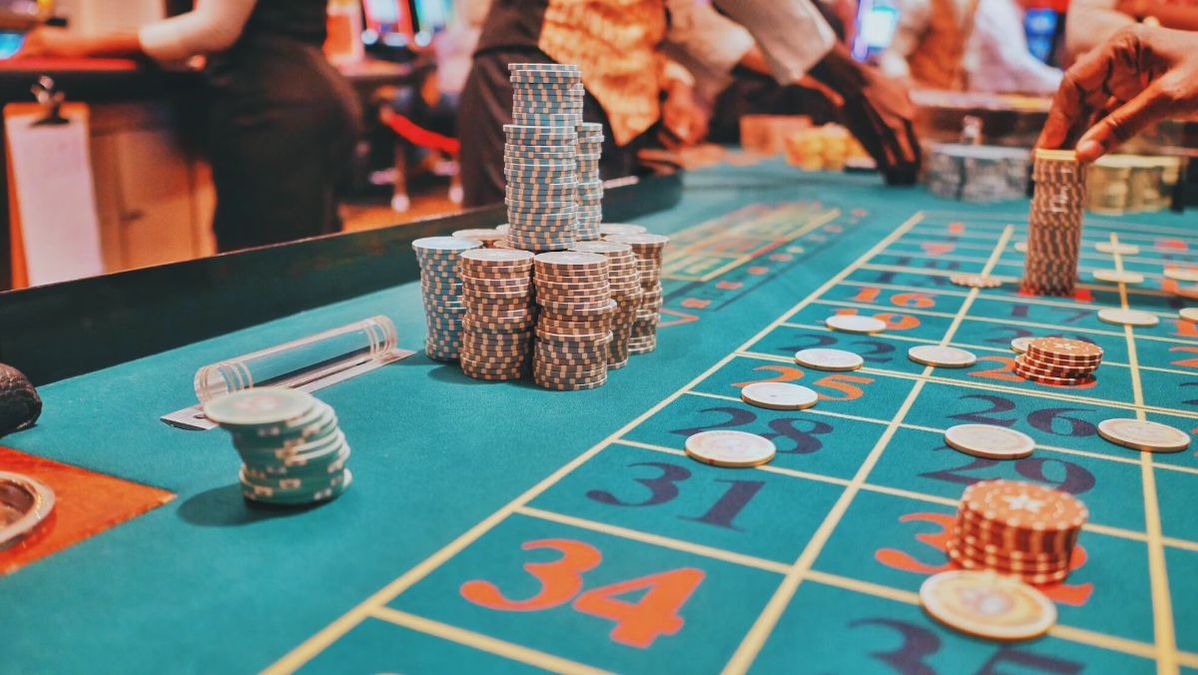
The psychology behind gambling often involves a complex interplay of risk versus reward. Many gamblers may experience a rush of adrenaline, which can lead to a temporary escape from reality. This sensation can create a false sense of confidence, prompting them to chase losses or continue playing despite diminishing returns.
The Impact of Winning and Losing
The psychological effects of winning at gambling can be profound. A win not only provides a financial boost but also triggers the brain’s reward system, releasing dopamine—a neurotransmitter associated with pleasure. This euphoric high can create a cycle of positive reinforcement, encouraging gamblers to continue participating in risky behavior.
Conversely, losing can lead to feelings of shame, regret, and despair. Many gamblers may struggle to reconcile their losses, leading to a dangerous cycle of chasing losses. This behavior can result in compulsive gambling, where individuals continue to bet in hopes of recouping their losses, often with disastrous financial and emotional consequences.
The Role of Environment and Social Influence
The environment in which gambling occurs plays a significant role in shaping an individual’s experience. Casinos and online platforms often design their spaces to maximize excitement and minimize the perception of time, further enticing players to gamble. The sensory stimulation—bright lights, sounds of winning machines, and the atmosphere of excitement—can create an immersive experience that is hard to resist.
Moreover, social influences can exacerbate gambling behaviors. Peer pressure and social norms can lead individuals to gamble more than they might typically do alone. In some cases, celebrities and public figures who openly discuss their gambling habits can also impact the perceptions of gambling, making it seem more glamorous and socially acceptable.
Coping with Gambling Addiction
For those struggling with gambling addiction, understanding the psychological impacts can be the first step toward recovery. Treatment options often include counseling, support groups, and behavioral therapies designed to address the underlying emotional and psychological issues that contribute to compulsive gambling.
Developing coping strategies is vital for individuals trying to regain control over their gambling behavior. Awareness of triggers and implementing self-exclusion strategies can help mitigate the risks associated with gambling addiction. Support from family, friends, and professionals can also provide essential encouragement during the recovery process.

Navigate the Online Gambling Landscape
Understanding the psychological impacts of gambling is crucial for anyone looking to engage in this activity, especially in the ever-evolving online gambling landscape. With many platforms available, it’s essential to prioritize responsible gambling practices and stay informed about the risks involved.
Our website offers valuable insights into the best online casinos, focusing on user safety and responsible gaming. We strive to equip players with the knowledge they need to enjoy gambling while maintaining a healthy mindset. By doing so, players can navigate their gambling experiences with confidence, ensuring that it remains a source of entertainment rather than a source of stress.