Debunking common misconceptions about gambling strategies
Understanding Gambling Strategies
Many people enter the world of gambling believing that there are foolproof strategies that guarantee success. This perception often stems from the allure of high-stakes gaming and the stories of lucky winners. However, gambling is fundamentally a game of chance, and while strategies can influence the way one plays, they cannot guarantee a win. Understanding the balance between luck and strategy is essential for responsible gambling, especially when considering games like win win won that incorporate both elements.
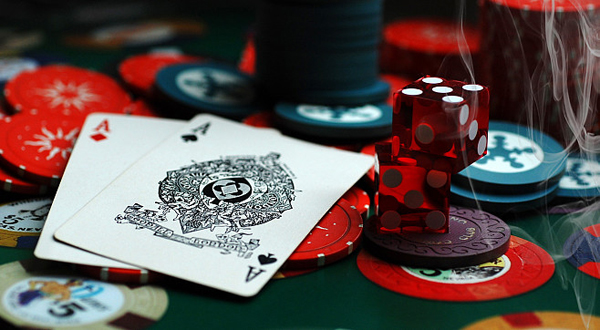
Additionally, various gambling games have different rules and odds, which means that a strategy that works well in one game may not be effective in another. For instance, strategies that are popular in poker may not be applicable in games of pure chance like slots. Thus, it’s vital for players to research specific games and understand their mechanics to form realistic expectations about outcomes.
The Myth of ‘Hot’ and ‘Cold’ Streaks
One common misconception in gambling is the belief in ‘hot’ and ‘cold’ streaks. Players often think that if a slot machine hasn’t paid out for a while, it is ‘due’ for a big win. This belief is rooted in the fallacy that past events influence future outcomes in games of chance. In reality, each spin of a slot machine is independent, meaning that the chances of winning remain constant regardless of previous results.
This misconception can lead players to chase losses or make irrational decisions based on emotional reactions to streaks. Understanding that each game operates on a random number generator can help players maintain a clearer perspective, allowing for a more strategic and rational approach to gambling.
The Fallacy of Betting Systems
Many gamblers fall prey to betting systems that promise to recoup losses or maximize winnings. Systems like the Martingale method, where players double their bets after a loss, may seem appealing but come with significant risks. These systems often require a substantial bankroll and can lead to devastating losses, especially during extended losing streaks.
It’s important to recognize that no betting system can alter the house edge inherent in most casino games. Responsible gambling means understanding that strategies cannot overcome the fundamental odds and being prepared for both winning and losing scenarios.
The Role of Skill in Gambling
Skill plays a role in certain gambling activities, particularly in games like poker and blackjack, where strategic thinking can influence outcomes. However, many players mistakenly believe that skill can entirely replace luck. While experienced players may have an advantage, they still cannot eliminate the unpredictability of the game.
This misconception can lead novices to feel overconfident, thinking they can consistently win just by applying their skills. A balanced perspective on the role of skill versus luck can promote responsible gambling and encourage players to engage with games in a healthy manner.
Responsible Gambling Practices
Engaging in gambling should always be accompanied by responsible practices. This means setting limits on time and money spent and being aware of the potential for addiction. Misconceptions about gambling can lead individuals to underestimate the risks involved, making it crucial to prioritize responsible play.
By educating oneself about the realities of gambling strategies and the nature of games, players can enjoy their experience without falling into harmful habits. Responsible gambling websites often provide valuable resources and tools to promote a safer gaming environment, allowing players to enjoy their favorite games without compromising their well-being.